
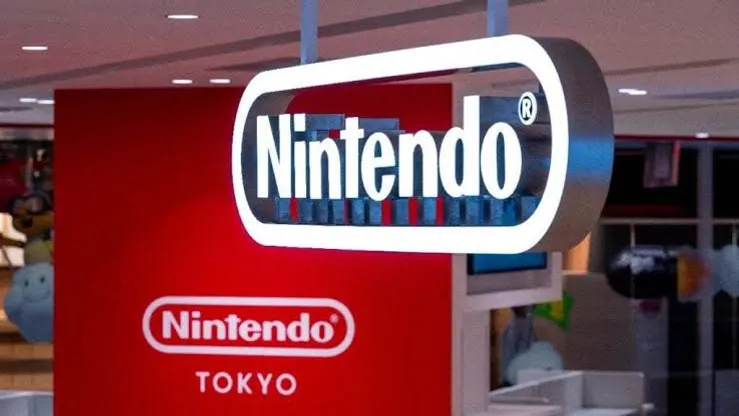
In the B2B market and the investment ecosystem, few companies demonstrate as much financial resilience as Nintendo. While direct competitors face severe hardware depreciation cycles and reliance on cross-subsidies, the Japanese company maintains enviable operating margins and an extraordinary net cash position. The secret to this longevity lies not only in product innovation, but in the meticulous management of its intangible assets and its Valuation.
Over the past few decades, Nintendo has turned its intellectual properties (IPs), trademarks, and patents into the main value drivers of its balance sheet. When an organization manages to decouple its pricing from direct production costs or commodity and input fluctuations, it reaches the peak of strategic differentiation, the true engine of brand equity.
The anatomy of intangible assets in valuation
In the traditional corporate ecosystem, managers often make the mistake of focusing excessively on tangible net worth (machinery, real estate, inventory, and fleet). However, in the modern economy, the share of intangible assets in the total valuation of large companies exceeds 80%.
Nintendo exemplifies how governance over non-material assets shields the company against market fluctuations through four essential pillars:
- Pricing Power: The historical refusal to offer aggressive discounts on its core titles preserves the perception of value and consistently ensures high gross margins.
- Competitive Moat (Barrier to Entry): The rigorous protection of its brands and patents prevents competitors from replicating its consumer dynamics or leveraging its reputation.
- Cash Flow Predictability: Established characters and franchises generate recurring revenue not only through direct products, but through licensing, theme parks, and audiovisual productions.
- Brand Governance: The strictness with which the company manages the exposure and quality of its assets prevents brand dilution over time.
The impact of intangibles on mid-sized and large companies
For CEOs, CFOs, and founders of growing companies, Nintendo's model offers a crucial lesson: the real value of a business is not limited to the current EBITDA multiple, but to the ability to perpetuate and protect future cash generation.
When performing a corporate appraisal, investors and strategic buyers rigorously price the sustainability of intangible assets. Companies that possess a strong brand, proprietary processes, long-term contracts, and well-structured intellectual property achieve:
- Significantly higher transaction multiples in fundraising rounds or M&A processes;
- Lower cost of capital, reducing the perception of risk by creditors and investors;
- Protection against industry volatilities, ensuring cash resilience even under macroeconomic pressure.
If your company relies exclusively on price competition or the allocation of physical assets to grow, your valuation is vulnerable and stripped of its true market capacity.
Discover your company's true value with Vispe Capital
Mapping, pricing, and maximizing tangible and intangible assets is the first step to ensuring business longevity and preparing the company to raise capital, attract partners, or execute strategic transactions.
Vispe Capital develops in-depth Precision Valuation studies, aligning cutting-edge financial methodology (Discounted Cash Flow, Market Multiples, and Intangible Valuation) with the real dynamics of your sector.
Is your company ready to discover and expand its market value?