
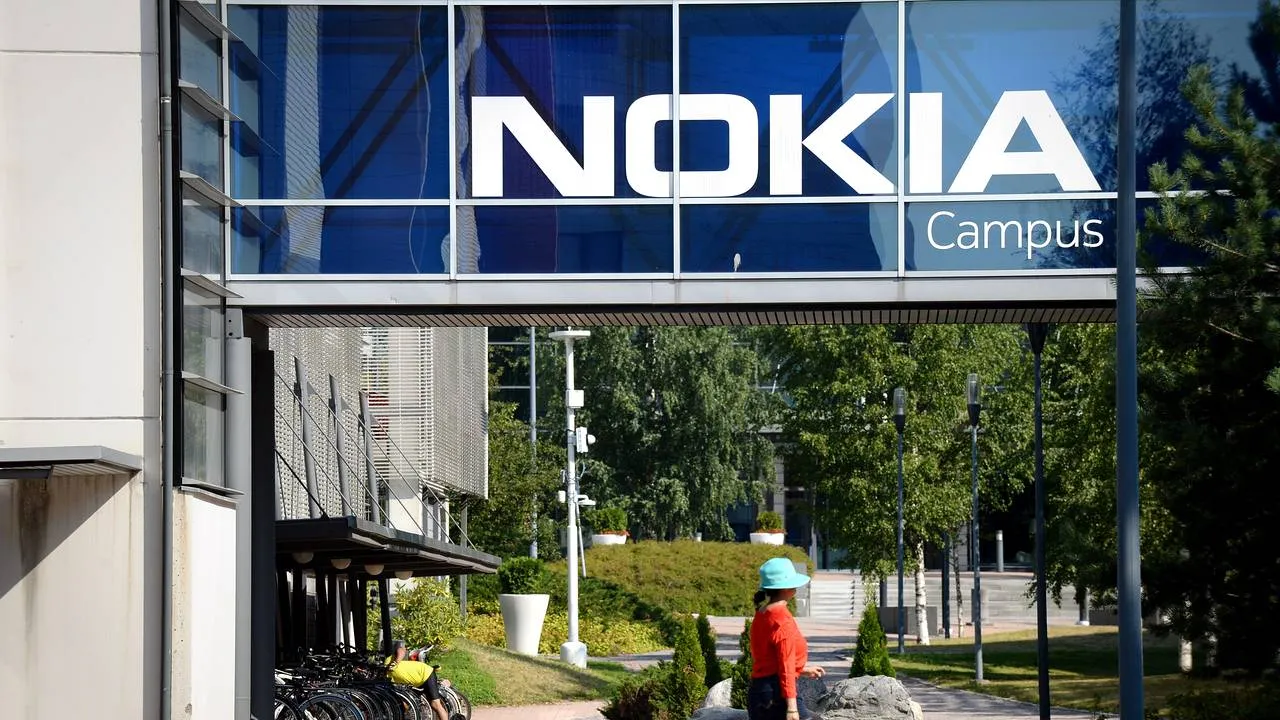
The absence of strategic financial controllership can undermine even consolidated market leaders. For over a decade, Nokia was the undisputed synonym for global leadership in telecommunications and mobile devices. At its market peak, the Finnish giant held more than a 40% global market share and generated billions of Euros in free cash flow.
However, the dizzying collapse that culminated in the sale of its mobile phone division for a fraction of its historical value was not merely caused by the iPhone or Android. From an M&A and financial turnaround perspective, the downfall was driven by profound flaws in cost visibility, operational rigidity, and a lack of analytical governance.
When margin figures are masked by past efficiencies, executive leadership and the board lose touch with the business's pulse.
The anatomy of the collapse: What financial statements didn't show
While the company's consolidated revenue still impressed market analysts in the 2000s, the internal cost structure and margin per operating unit were already showing serious signs of degradation.
A thorough analysis of Nokia's strategy reveals three critical financial and operational management mistakes:
- The volume vs. contribution margin illusion: The company focused on maintaining global sales volume through low-margin devices in emerging markets, camouflaging the accelerated erosion of EBITDA in premium segments.
- Managerial income statement disconnection: Research and Development (R&D) allocations were in the billions, yet lacked clear KPIs for Return on Invested Capital (ROIC). Billions of Euros were burned on proprietary software with no market traction.
- Lack of leading cash indicators: The company's Cash Conversion Cycle (CCC) deteriorated as obsolete component inventories piled up in worldwide distribution centers, destroying working capital.
From the giant's failure to the reality of mid-sized and large companies
In the mid-sized and large corporate ecosystem, this dynamic occurs frequently. Fast-growing companies neglect Financial Controllership and the role of the CFO as Service, believing that revenue expansion solves any internal misalignment.
When cash governance fails, symptoms appear silently in day-to-day operations:
- Inability to identify real profitability by product, customer, or sales channel;
- Frequent mismatches between accounting revenue and actual liquidity in the bank account;
- Static budgeting models that prevent agile strategic pivots;
- Growing reliance on short-term credit lines to meet working capital requirements.
Nokia demonstrated that cash accumulated in the past does not guarantee survival when present financial management processes cease to be transparent, agile, and data-driven.
How to structure governance and protect your company's cash
Having absolute control over the managerial income statement, contribution margins, projected cash flow, and working capital is the difference between leading the sector or losing market relevance.
Vispe Capital offers end-to-end solutions in Financial Controllership and CFO as Service, structuring data governance, executive reporting for boards of directors, and operational margin optimization for mid-sized and large companies.
Does your company have full visibility into margins and the true cash generation of your business?