
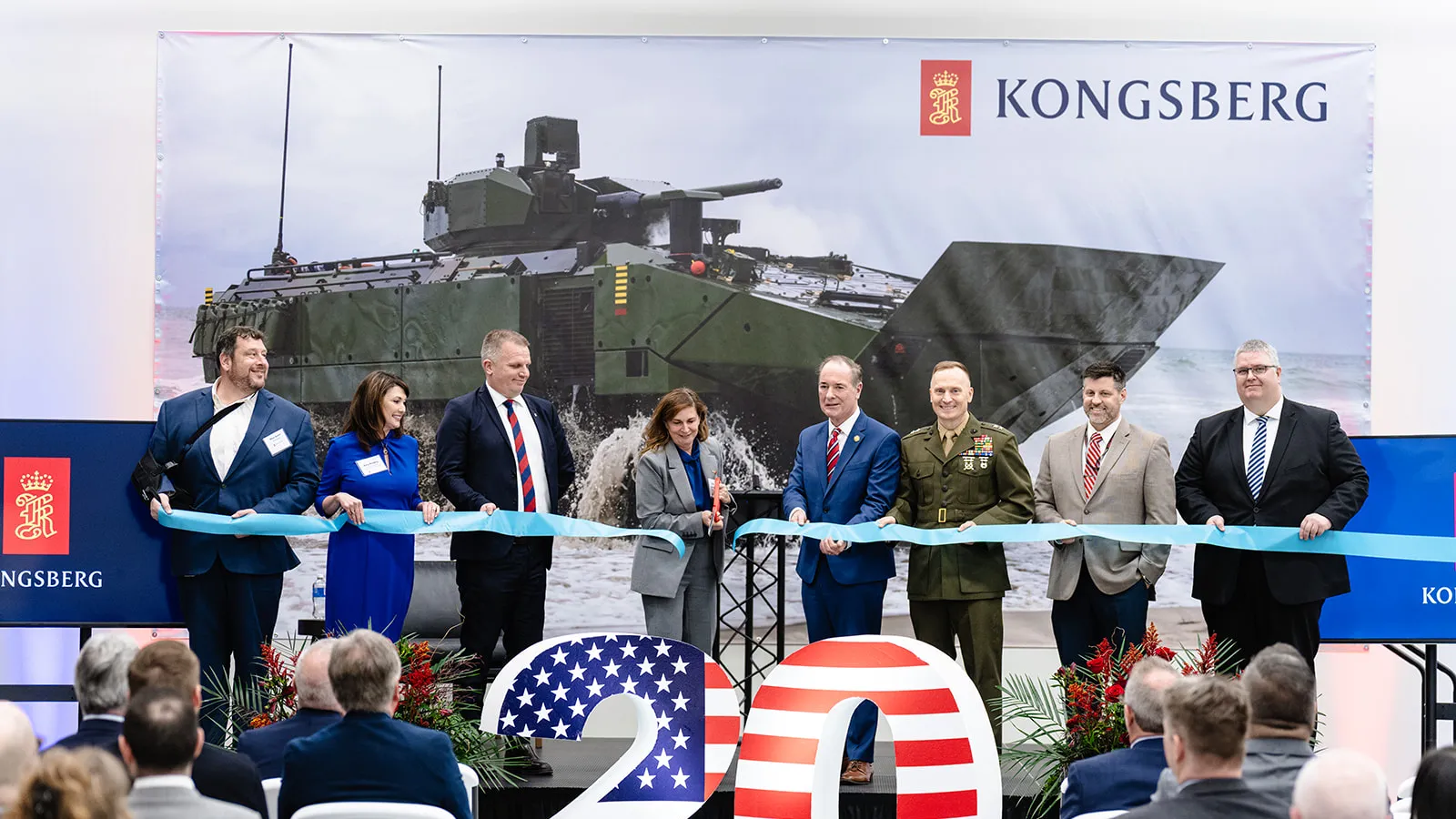
Founded over two centuries ago in Norway, Kongsberg Gruppen is widely recognized as a symbol of innovation in defense technology, maritime systems, and offshore energy. However, its long trajectory has not been without severe bumps. In the middle of the last decade, faced with the global downturn in the oil and gas sector and a slowdown in its traditional maritime divisions, the company saw its operating margins erode rapidly. The combination of high fixed costs, scattered investments in non-essential business lines, and falling demand put the operation's liquidity at risk.
The group's response was not to try to sell its way out of the crisis by increasing revenue at any cost. Instead, the executive leadership initiated a robust Financial Turnaround and Operational Restructuring plan. The focus was redirected toward the divestment of secondary assets, drastic cuts in operational inefficiencies, renegotiation of bank liabilities, and absolute concentration on high-margin segments and proprietary technology. The result? The company recovered corporate profitability, multiplied its EBITDA margin, and established itself as one of the most efficient operators in Europe.
In times of cash stress or economic cycle shifts, pursuing blind revenue growth without adjusting the cost structure is the fastest path to financial collapse.
The 3 warning signs for Financial Turnaround
Many companies enter a critical liquidity state not due to a lack of products or market, but because they delay structural decision-making. The signs that an operation needs immediate restructuring include:
- Continuous Cash Burn Despite Increased Sales: Revenue grows, but the bank balance at the end of the month progressively decreases. This indicates uncontrolled Contribution Margin, poorly priced variable costs, or squeezed average collection periods.
- Excessive Dependence on Short-Term Working Capital: The constant use of debt rolling, expensive bank lines, or receivables discounting to cover current operating expenses reveals a dysfunctional capital structure.
- Capital Immobilization in Inefficient Lines: Maintaining deficit branches, products, or business units in the hope that they will someday turn a profit, draining the cash generated by the company's healthy divisions.
The recovery roadmap: 4 steps to reorganize liquidity
Business restructuring requires financial pragmatism and surgical execution. The structured Financial Turnaround process is based on four fundamental stages:
- Immediate Stemming of the Bleeding: Absolute centralization of payment management, creation of a weekly cash committee, and immediate cutting of non-essential expenses to preserve minimum operational liquidity.
- Mapping Real Profitability: Deep audit of the Income Statement by product/service to identify and eliminate operational bottlenecks that erode the EBITDA margin.
- Renegotiation and Reprofiling of Liabilities: Restructuring of the debt profile with banks and strategic suppliers, extending maturity terms and reducing the average cost of capital.
- Redesign of the Operating Model: Reorganization of the workforce, review of production processes, and total concentration of resources on solutions with the highest margin and shortest collection cycle.
Protect your company's future and liquidity with Vispe Capital
Overcoming a margin crisis scenario or restructuring a business's financial engineering requires neutrality, technical expertise, and firm negotiation with creditors and market agents.
Vispe Capital acts directly in Financial Turnaround and Restructuring processes, assisting business owners and executives in recovering profitability, renegotiating corporate debt, and optimizing cash flow. We transform moments of uncertainty into a solid platform for the sustainable growth of your operation.